
The Human Factors – Design for all

The confluence of societal trends such as aging, increased disability prevalence, and heightened expectations among workers and consumers has necessitated development of more inclusive designs that accommodate a wide range of human abilities. The growing reliance on automation has further accentuated this need.
Human Factors as a Strategy to Control Challenges in Manufacturing

Incorporating human factors and ergonomics (HFE) is an effective method to address occupational health and safety (OHS) challenges in industrial settings. The benefits of ergonomics extend well beyond merely preventing musculoskeletal injuries (MSIs) or carrying out an office assessment.
Charting a future for human factors and ergonomics

Human factors, also known as ergonomics, is an integral part of any design, be it a system or a single product. When applied effectively, this unique discipline can significantly reduce human error and prevent injuries, while increasing productivity and quality.
Does Ergonomics Mean Only A Chair?

Among various myths about Ergonomics the most popular one possibly is “Ergonomics is nothing but a chair”. People often assume getting an ergonomic chair for the office will solve all the workplace issues like (low) back pain, RSI (Repetitive strain injury), and any form of MSD (Musculo skeletal discomfort). In reality it is far from truth.
Ergonomics – design way!
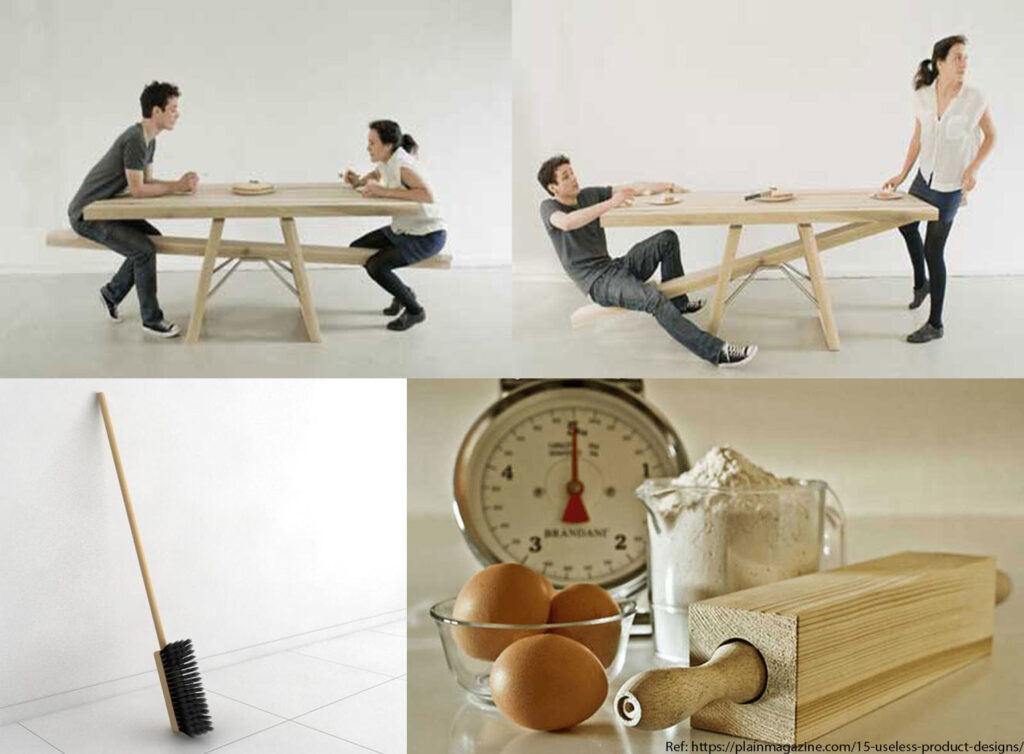
What do you think of see-saw T-Table, a broom that fits easier while stowed away, a square rolling pin may be?